
Supporting siblings of children with autism is crucial for fostering understanding, empathy, and a positive family dynamic. Here are tips for siblings to help them understand their brother or sister with autism and actively contribute to their well-being.
Educate and Encourage Questions
Parents can provide age-appropriate information, books, or videos that explain the unique characteristics and challenges their brother or sister may experience. Encouraging an open dialogue allows siblings to ask questions and gain a deeper understanding. Siblings benefit from learning about autism.
Celebrate Differences
Help siblings recognize and celebrate the differences, fostering a sense of acceptance and appreciation for each family member’s individuality. Emphasize the strengths and unique qualities of the sibling with autism.
Promote Inclusive Activities
To promote feelings of inclusion, engage in activities that accommodate the needs and preferences of the sibling with autism. This includes them selecting the games, movies, or outings. Provide choices to ensure everyone’s comfort and enjoyment.
Model and Encourage Patience
Modeling patience when interacting with the sibling with autism encourages siblings to embrace a patient and supportive approach, especially during challenging moments. Siblings can learn the importance of patience and understanding with each other.
Involve Siblings in Therapeutic Activities
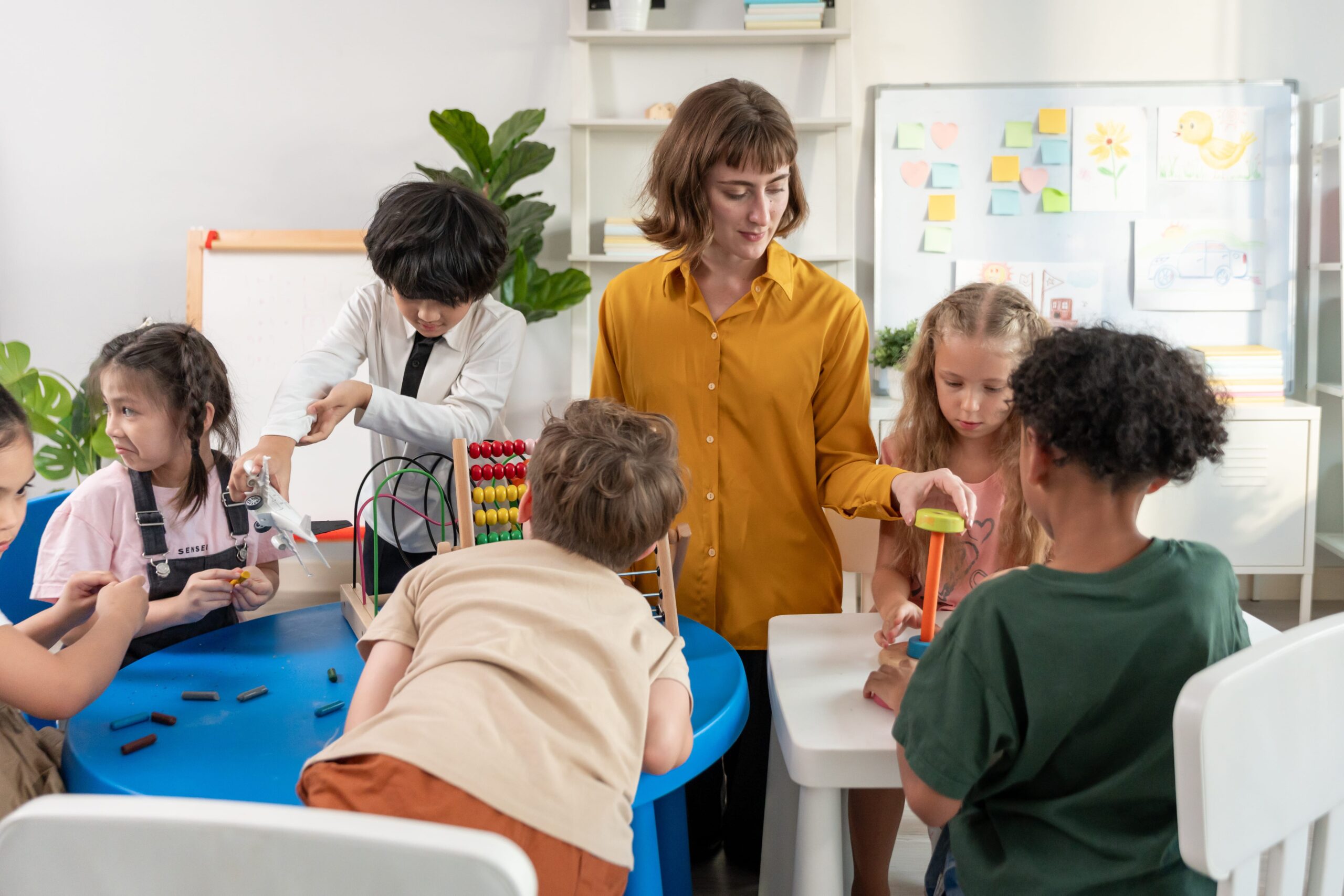
If appropriate, involve siblings in therapeutic activities or sessions. Participation can provide them with insights into the strategies and goals of their brother or sister’s therapy. ABA thrives best when fostering a collaborative and supportive atmosphere within the household greater family structure.
Create a Safe Space for Expression
Establish a safe and open space for siblings to express their feelings, concerns, or frustrations. This can be through family discussions, journals, or even creative outlets like art or writing. Sometimes it is easy to forget the needs of a typical child, so it is especially important to remember their feelings after challenging days as a family.
Encourage Sibling Bonding Time
Encourage shared interests and activities that both siblings can enjoy, reinforcing the idea that they can have fun and connect with each other. Foster positive sibling relationships by creating opportunities for bonding and building great memories together.
Model Inclusivity for Peers
Siblings can act as advocates for their brother or sister with autism. Encourage them to model inclusivity and educate their friends about autism or other behavioral and developmental disorders. Their actions are pivotal in promoting understanding and acceptance in social circles through all stages of life.
Provide Emotional Support
Provide emotional support, and if necessary, offer access to counseling or support groups where they can connect with peers facing similar situations. Foster positive sibling relationships by creating opportunities for bonding.
Celebrate Achievements Together
Equally acknowledge and celebrate achievements, milestones, and progress made by the sibling with and without autism. This shared celebration reinforces a positive and supportive family environment.
By implementing these tips, siblings can develop a deeper understanding of their brother or sister with autism, fostering a supportive and inclusive family dynamic. Sibling relationships play a vital role in the overall well-being of the family, and nurturing understanding and empathy contributes to a positive family experience.