
The success of Applied Behavior Analysis (ABA) therapy for children with autism is significantly influenced by the active involvement and support of their families. ABA therapy extends beyond the clinic or school setting, making the home environment an essential component for reinforcing and generalizing learned behaviors. Here’s a closer look at the pivotal role that family plays in supporting ABA therapy goals at home:
Families play a key role in maintaining consistency between the strategies implemented during ABA sessions and daily life at home. Consistency is crucial for generalizing learned behaviors across different settings. When family members reinforce and practice ABA strategies at home, children are better able to transfer those skills to various situations. Take advantage of your BCBA’s time and schedule parent training that can include siblings and extended family members to increase the level of consistency throughout the entire family unit.
Effective communication between ABA practitioners and family members is paramount. Regular updates and collaboration ensure that everyone involved is on the same page regarding the child’s progress, goals, and any adjustments to the intervention plan. This collaboration fosters a unified approach, maximizing the impact of ABA therapy. As a parent you can ask for an update on progress at any time.
Families work alongside ABA therapists to implement behavior plans and interventions as described by the BCBA. This may involve utilizing visual schedules, reinforcement systems, and other strategies tailored to the child’s individual needs. By integrating these plans into daily routines, families create an environment that supports the child’s continuous development.
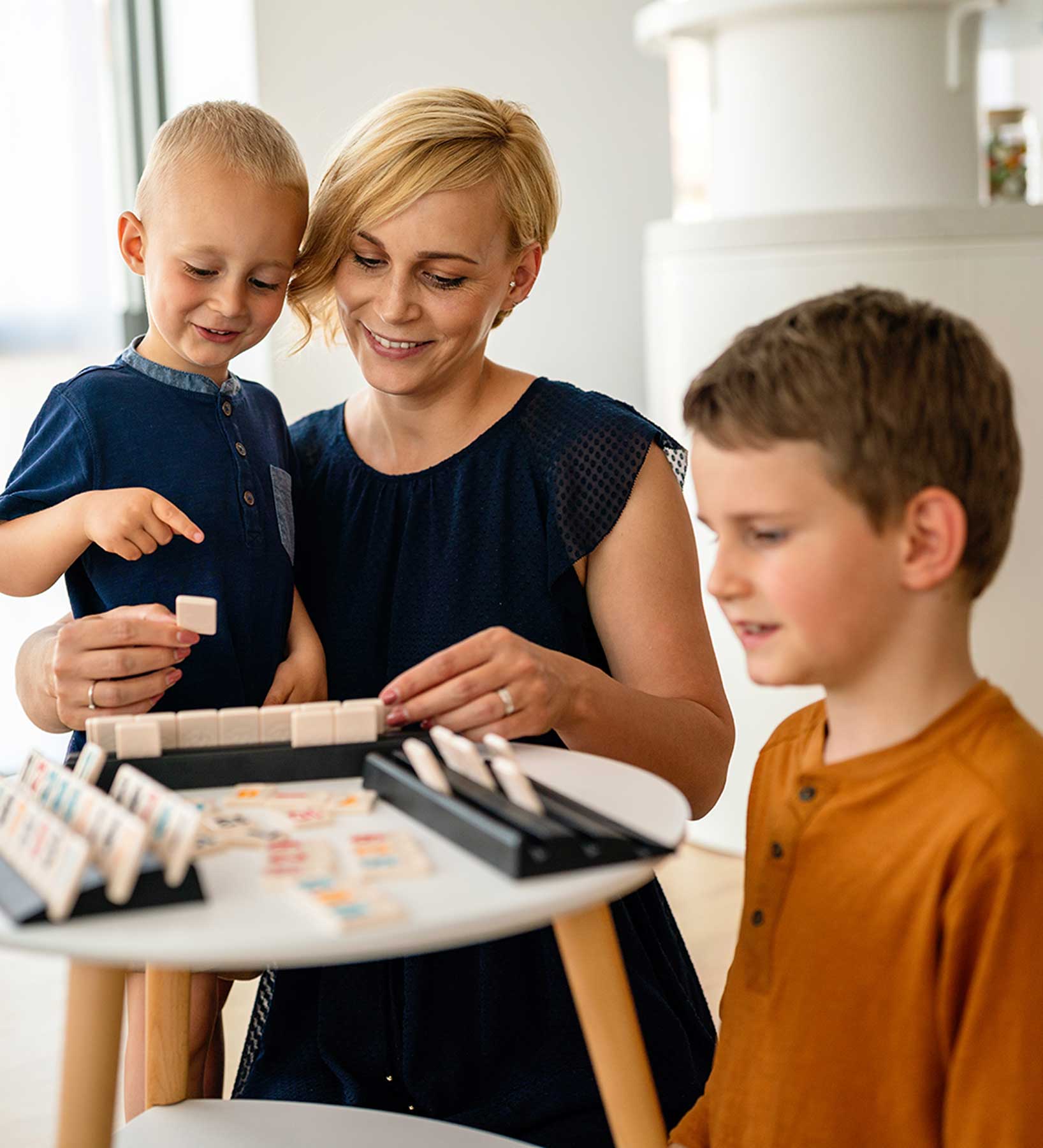
ABA therapy often focuses on developing social skills, and family members can actively contribute to this process. Encouraging social interactions, practicing turn-taking, and reinforcing positive social behaviors at home contribute to the generalization of these skills beyond therapy sessions. Siblings can play a key role here with their brother or sister, not only modeling these social skills but also engaging in the reinforcement systems to help generalize these skills.
The use of positive reinforcement is a central component of ABA therapy. Family members play a crucial role in reinforcing positive behaviors through praise, rewards, or other agreed-upon reinforcements. Consistent positive reinforcement helps solidify the connection between desired behaviors and positive outcomes. Again, having the entirety of the family under stand the importance of consistent deployment of the reinforcers is key and why family involvement in training sessions is vital, whenever feasible.
Families, in collaboration with ABA therapists, adapt strategies to fit the dynamics of home life. This may involve modifying behavior plans to align with family routines and addressing specific challenges that arise within the home environment. Adapting ABA strategies ensures their practicality and effectiveness in everyday situations. If you are currently not seeing an in-home ABA practitioner, ask for an in-home meeting to go over the specifics of your home dynamic.
In conclusion, the family’s active involvement is integral to the success of ABA therapy for children with autism. By embracing a partner role in the therapeutic process, families contribute to the generalization of skills, the reinforcement of positive behaviors, and the overall progress and well-being of their child. The collaboration between ABA practitioners and families creates a holistic and supportive framework that maximizes the positive impact of ABA therapy at home. Additionally, including brothers and sisters in their siblings growth helps them to feel more involved and inhibits a negative sense of feelings regarding perceived additional attention.